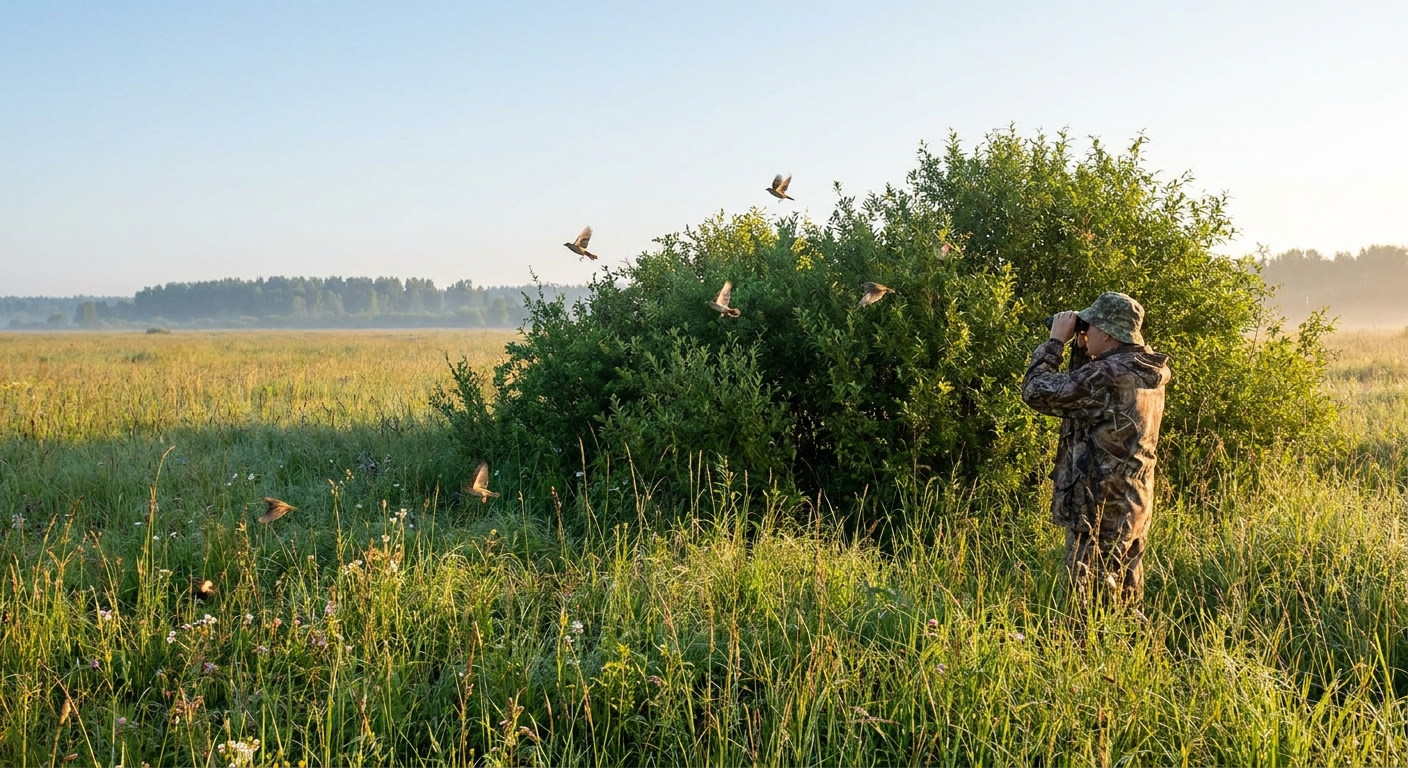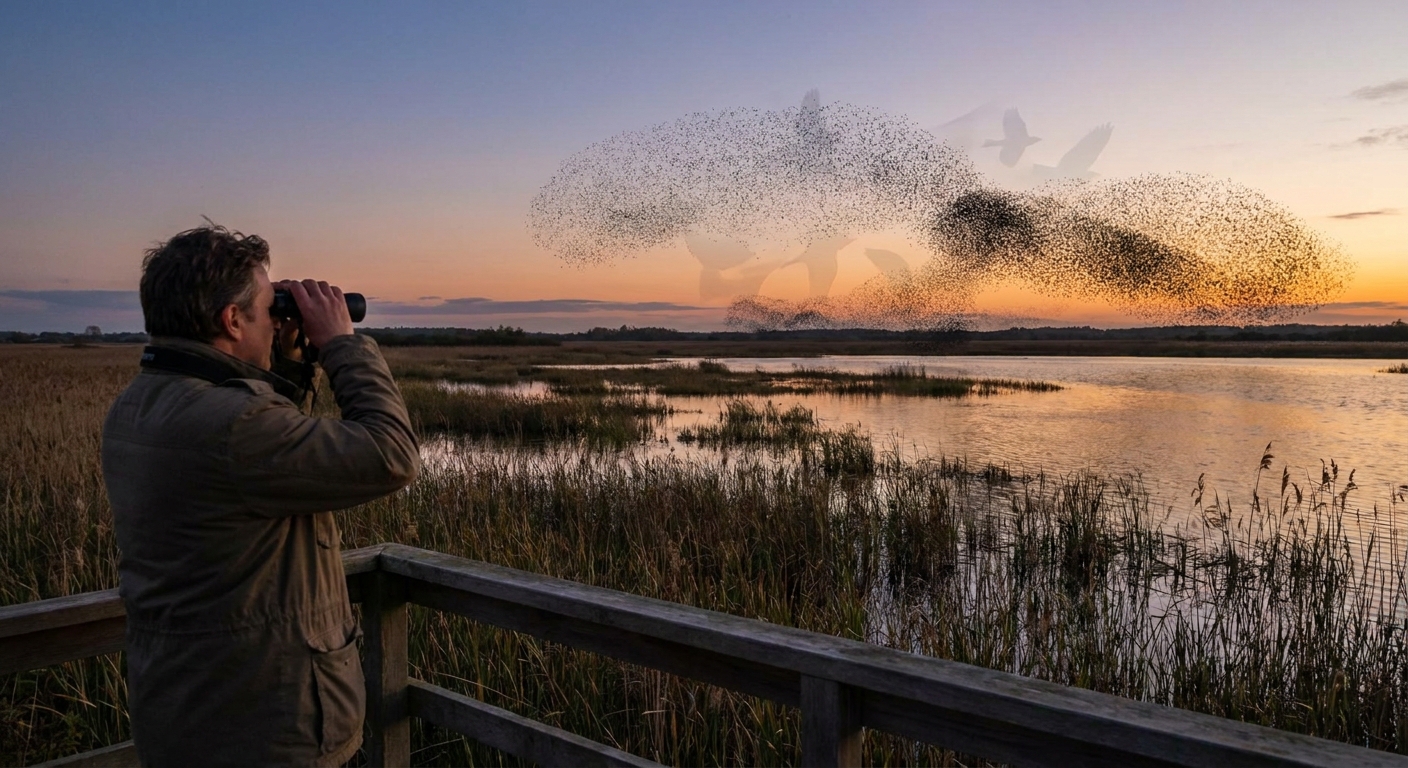
Watch almost any patch of sky or shoreline in the right season and you’ll see it: birds moving together as if under a shared spell. Flocking is more than a safety tactic—it's a language of spacing, timing, and subtle cues that any patient birdwatcher can learn to read.
Introduction: Why Flock Behavior Matters
This guide explores flock behavior you can observe year‑round, with practical tips on identifying species within mixed flocks, choosing the right gear, and training your eye to see patterns in the chaos.
Types of Flocks You’re Likely to See
1. Tight “Ball” Flocks
Common in: shorebirds, small passerines, and starlings.
What to look for:
- Dense, coordinated movements
- Rapid changes of direction, especially when a predator appears
- Flashing underwings as the flock tilts
- Dunlin, Sanderling, and Western Sandpiper
- European Starling
- Knot and other Calidris sandpipers
- Size and shape: Note overall bird size relative to a familiar species (e.g., starling vs. blackbird). Shorebird “balls” often look like a loose cloud of sparrow‑sized, long‑winged birds.
- Color blocks instead of individuals: Observe whether the flock appears uniformly gray‑brown, sharply two‑toned, or speckled.
- Flight style: Long, scythe‑shaped wings with rapid beats often indicate sandpipers; a more compact, triangular wing and slightly slower beat can mean starlings.
Species examples (North America & Europe):
ID tips in the swarm:
2. Loose Feeding Flocks
Common in: wintering songbirds, woodland habitats, hedgerows, and suburban parks.
What to look for:
- Birds spread loosely through a few trees or shrubs
- Constant soft contact calls
- Different species moving and feeding together
- Chickadees/Tits, Nuthatches, Creepers
- Kinglets/Goldcrests, small warblers, Vireos
- Bushtits and Long‑tailed Tits
Species examples:
ID tips in mixed feeding flocks:
Find the “anchor species” – Often, a noisy, conspicuous species leads the flock:
- Black‑capped Chickadee or Blue Tit calls may signal a larger hidden flock in the canopy. 2. Work the edges of the group – Birds on the periphery are easier to separate and identify.
Listen for layers – Try to distinguish:
- High, thin lisping notes (kinglets, goldcrests) - Scolding, harsh notes (tits/chickadees) - Soft tapping (nuthatches, creepers on trunks)
3. Migratory Stream Flocks
Common in: river corridors, ridge lines, coastlines, and city skylines during migration.
What to look for:
- Directional, purposeful flights
- Birds strung out in loose lines or ribbons
- Little feeding or circling; steady movement
- Swallows and martins over rivers
- Blackbirds and thrushes crossing open country at dawn
- Raptors following ridges or coastlines
- Profile: Swallows show long wings and a swept‑back, boomerang look. Thrushes appear thick‑bodied with a direct, pulsing flight.
- Altitude: Swallows and martins often cruise fairly low, especially early and late in the day; migrating finches and larks may be surprisingly high.
- Season: In temperate regions, peaks often occur late March–May and August–October.
Species examples:
ID tips on the move:
Seasons of Flocking: When Behavior Changes
Late Summer and Fall: The Flocking Surge
- Post‑breeding gatherings: Many species become more social once nesting ends. Young birds join adults in family groups that merge into larger flocks.
- Shorebird spectacles: Mudflats, estuaries, and beaches host dense, highly responsive flocks—ideal places to practice reading flock shape and movement.
- Swallow roosts: Look for swirling pre‑roost flocks over reedbeds or cattail marshes at dusk.
Winter: Mixed Flocks and Survival Strategies
- Insect‑gleaning teams: Chickadees/tits, nuthatches, creepers, and kinglets form roaming winter bands, using many eyes to spot predators and food.
- Finch flocks: Watch for goldfinches, siskins, redpolls, or buntings traveling between seed sources.
- Urban advantages: City parks, riversides, and even supermarket parking lots can host large, predictable gatherings of corvids, gulls, and starlings.
Spring: Unraveling the Flocks
- Pre‑migration staging: Geese, cranes, shorebirds, and some blackbirds collect in large numbers before pushing north.
- Breakup into territories: As hormones rise, flocks dissolve and song increases. Mixed winter flocks become quieter and more scattered.
Gear and Techniques for Watching Flocks
Optics: Choosing the Right View
- Binoculars (8x or 10x):
- 8x gives a wider field of view—better for tracking fast‑moving flocks and keeping more birds in the frame.
- 10x helps at long distances, particularly on shorelines and large lakes.
- Spotting scope:
- Ideal for dissecting shorebird or waterfowl flocks at range.
- Use low power (20–30x) first to scan, then increase magnification to check plumage details.
Technique: How to Scan a Flock
- Start with the shape of the group.
- A compact, synchronized unit often indicates a single species.
- Looser groups with variable sizes and shapes suggest a mix.
- Pick one bird and lock on.
- Follow a single bird briefly to note wing pattern, tail shape, and color blocks before moving on.
- Divide the flock mentally.
- Scan in sections—front edge, middle, back edge—rather than trying to see it all at once.
- Revisit the flock repeatedly.
- Individuals may move, revealing hidden species or unusual plumages.
Audio Aids
- Field recording apps or small recorders can capture the sound of a flock for later study.
- Practice matching calls to movement:
- Note which sound coincides with which bird flying or moving.
- Mixed flocks often have a core "clock" call (the anchor species) and intermittent extras.
Behavioral Clues Hidden in Flock Patterns
Alarm Chains
Watch how alarm moves through a group:
- Shorebirds: A single bird flushing can trigger a seconds‑long cascade until the entire flock lifts.
- Songbirds: Note when a quiet mixed flock suddenly freezes or dives deeper into cover.
Tip: Track the direction the flock is looking or flying toward—it often points straight to the predator.
Feeding Strategies in Groups
- Role partitioning:
- In chickadee‑led flocks, nuthatches and creepers may work trunks while chickadees search twigs and outer branches.
- Information sharing:
- Finches commuting between feeders and fields demonstrate how successful feeding spots become temporary flock magnets.
Dominance and Spacing
Within a flock, individuals keep a “personal bubble.”
- Gulls or corvids: more dominant birds may occupy better positions (center of flock on water, safest roost perches).
- On feeders: watch how one bird’s arrival reshapes spacing—who moves, who stays put.
Field Notes: Practical Exercises in Reading Flocks
Try these simple exercises on your next outing:
Flock Shape Sketching
- Without worrying about artistic skill, make quick pencil outlines of a flock’s shape at different moments. - Label each sketch with time, species (if known), and behavior (feeding, flushing, commuting).
Flock Sound Map
- Close your eyes for one minute and mark on a simple map where sounds come from: overhead, to the left, high in trees, near the ground. - Reopen and see which birds you can visually match to those sounds.
- Individual vs. Group Focus
- Spend 5 minutes focusing only on one bird in a flock.
- Next 5 minutes: ignore individuals, watch only the shape and motion of the group.
- Compare what you learned in each interval.
Safety and Ethics Around Flocks
- Maintain distance: Large gatherings are vulnerable to disturbance, especially at roosts and feeding sites.
- Avoid repeated flushing: Shorebirds and waterfowl need energy reserves, particularly during migration and winter.
- Stay on paths: Keeping your impact predictable allows birds to adapt to your presence.
Closing Thoughts: The Flock as a Field Guide
Every flock is a living diagram of how birds share space, detect danger, and find food. With practice, you’ll begin to recognize familiar patterns—a chickadee band in quiet winter woods, a restless shorebird ball on a windy beach, a ribbon of thrushes at dawn in spring.
Use your optics, your ears, and a notebook to turn crowded scenes into readable stories. The more you learn to read the flock, the more individual birds—and their hidden behaviors—will step into focus.